Featured Science
India’s nuclear energy programme has entered a decisive phase with the attainment of first criticality at the Prototype Fast Breeder Reactor (PFBR) at Kalpakkam on 6 April 2026, a milestone that marks the beginning of a self-sustaining nuclear chain reaction and signals India’s transition into the second stage of its long-envisioned atomic energy strategy. This achievement represents not just a technological success but the culmination of decades of planning, research, and indigenous engineering under the Department of Atomic Energy, reflecting a broader national commitment to energy security, sustainability, and scientific self-reliance. As documented in the feature report, criticality is the point where design meets reality, confirming that the reactor’s systems function as intended and setting the stage for gradual power generation .
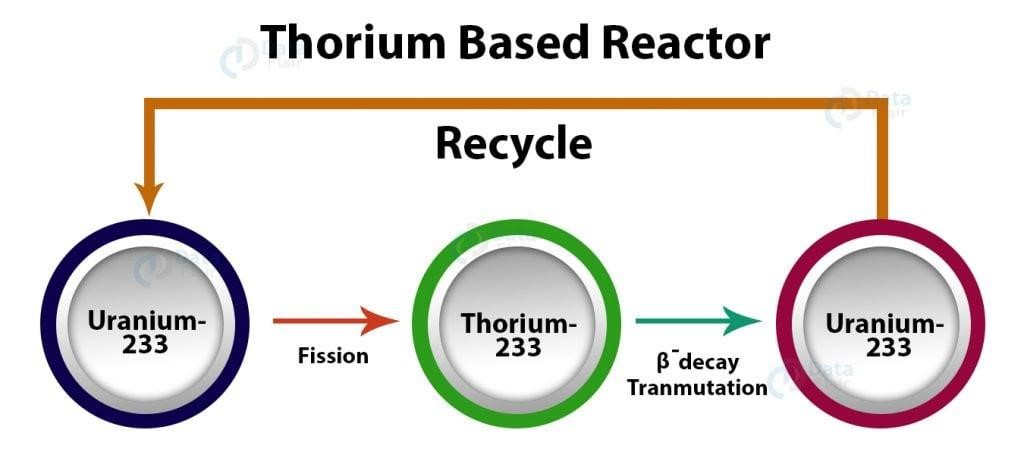
To understand the importance of this milestone, it is essential to situate it within India’s unique three-stage nuclear power programme, originally envisioned to address the country’s limited uranium reserves and abundant thorium deposits. In the first stage, Pressurised Heavy Water Reactors (PHWRs) use natural uranium as fuel to generate electricity while producing plutonium in spent fuel. This plutonium becomes the key input for the second stage, where Fast Breeder Reactors (FBRs) like the PFBR are designed to generate more fuel than they consume. In the third stage, thorium, one of India’s most abundant resources, is converted into Uranium-233, enabling a long-term and sustainable nuclear energy cycle. The programme is built around a closed fuel cycle, ensuring that spent fuel is reprocessed and reused, thereby maximising efficiency and minimising waste.
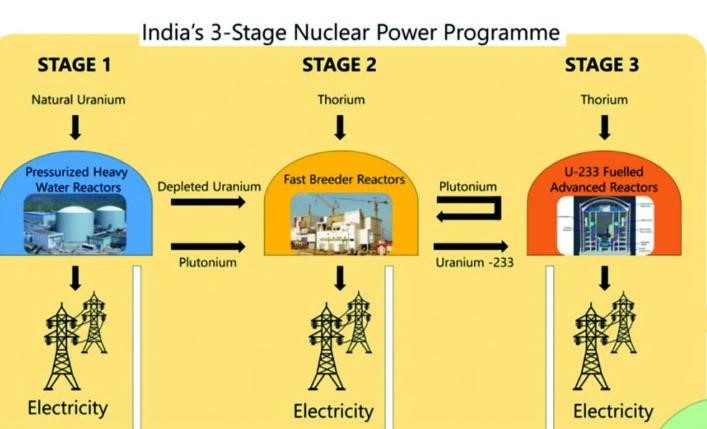
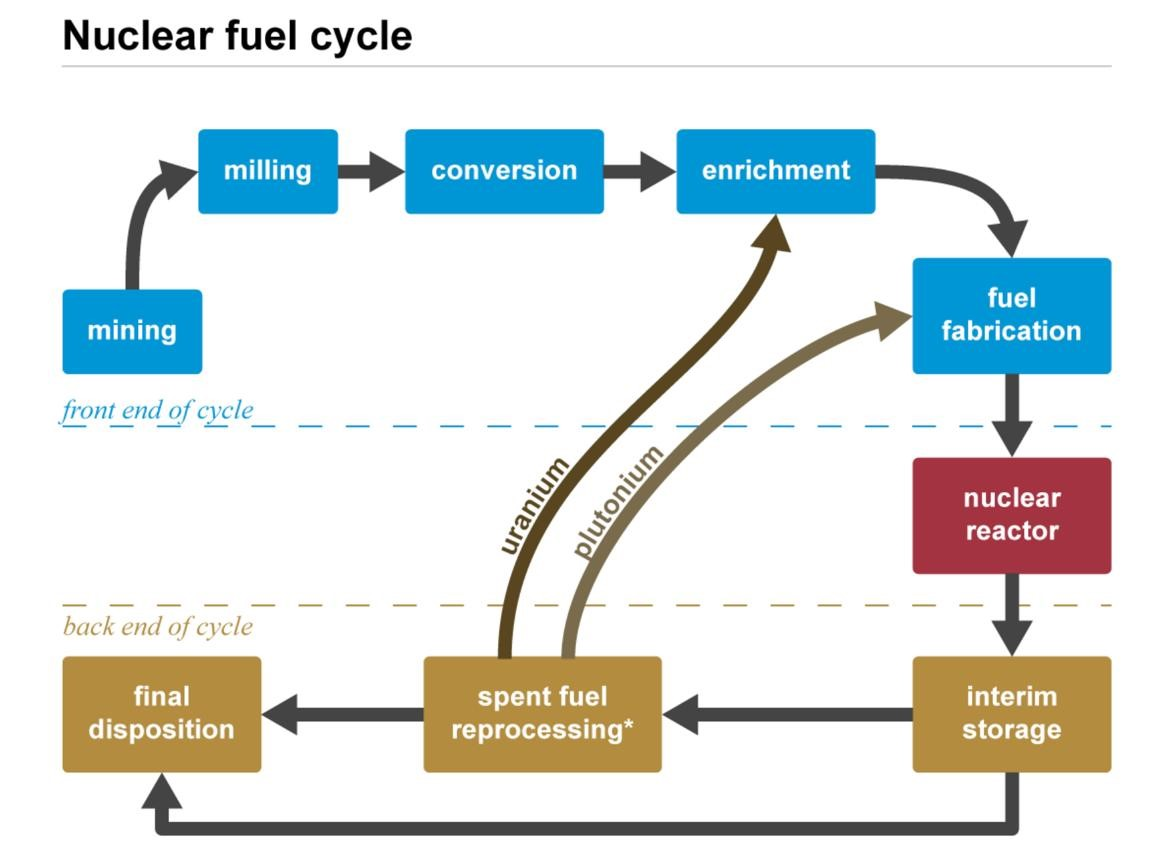
Within this framework, the PFBR assumes a pivotal role as the bridge between the present and the future of India’s nuclear energy system. Developed by the Indira Gandhi Centre for Atomic Research and operated by Bharatiya Nabhikiya Vidyut Nigam Limited, the PFBR represents one of the most advanced nuclear technologies built indigenously in India. Unlike conventional reactors that rely on slow neutrons, the PFBR operates using fast neutrons, allowing it to breed more fissile material than it consumes. It uses mixed oxide (MOX) fuel, a combination of plutonium and uranium, while a surrounding blanket of Uranium-238 is converted into Plutonium-239 through neutron interactions. This breeding capability ensures a continuous supply of fuel and significantly enhances resource efficiency.
Working Principle of a Fast Breeder Reactor
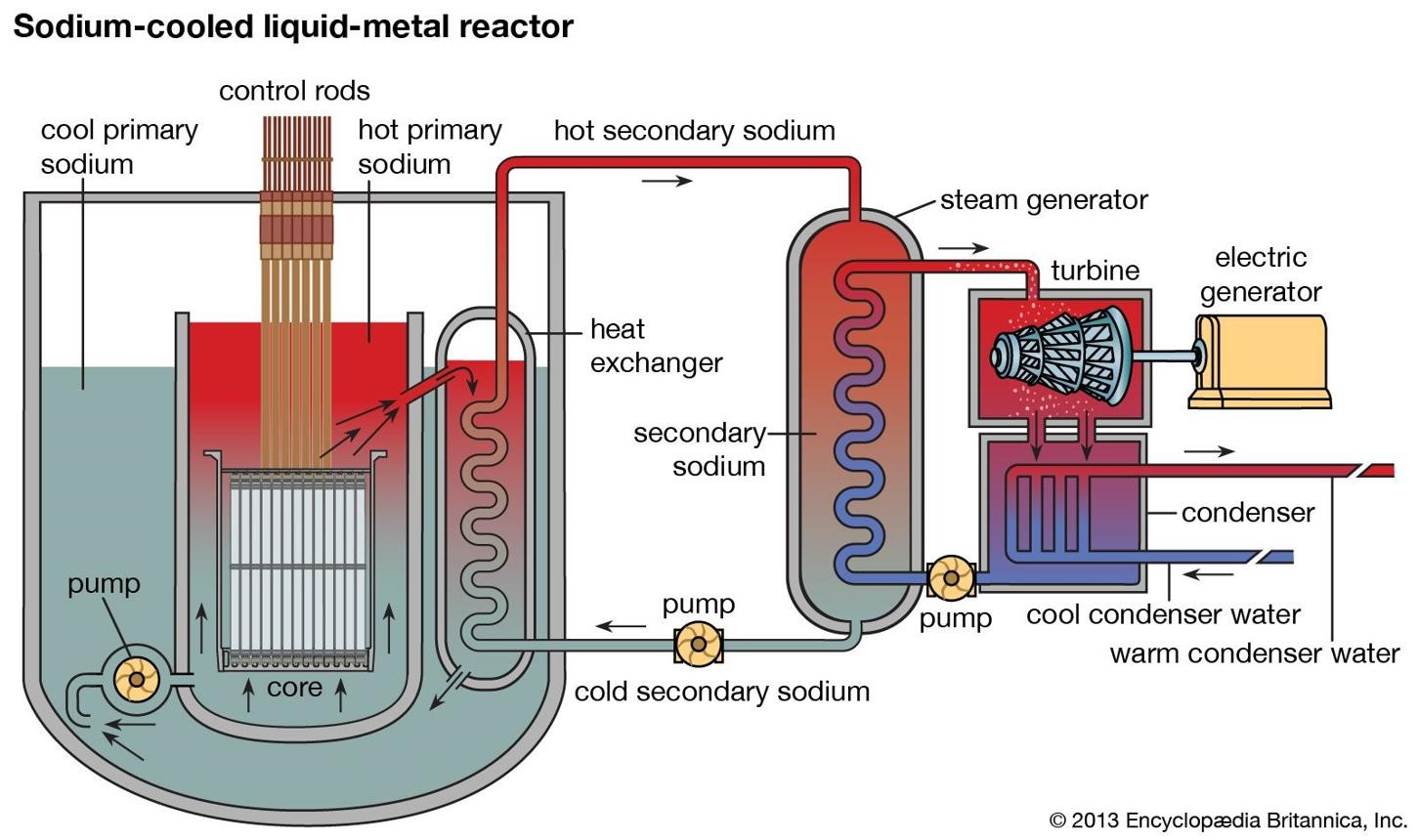
Another defining feature of the PFBR is its use of liquid sodium as a coolant, rather than water. Sodium enables efficient heat transfer without slowing down neutrons, allowing the reactor to operate at higher temperatures and achieve greater efficiency. However, this also introduces engineering complexity, as sodium reacts readily with air and water, requiring sophisticated safety mechanisms. The PFBR also exemplifies the concept of a closed fuel cycle, where spent fuel is reprocessed and recycled, reducing waste and extracting maximum energy from available materials. These features collectively make the PFBR not only a technological milestone but also a cornerstone in India’s transition toward a sustainable and resource-efficient nuclear future.
The significance of this development extends beyond reactor technology to the broader goal of transitioning toward a thorium-based energy economy. By producing plutonium and enabling the conversion of thorium into Uranium-233, the PFBR directly supports the third stage of India’s nuclear programme. This is particularly important given India’s vast thorium reserves, which have long been viewed as the key to long-term energy independence. In this sense, the PFBR is not merely a reactor but a strategic enabler that connects present capabilities with future possibilities.
This achievement is also closely aligned with India’s Mega Science Vision 2035, which emphasises the development of advanced technologies, large-scale scientific infrastructure, and strong indigenous research ecosystems. The PFBR demonstrates how sustained investment in science and engineering, combined with institutional coordination, can lead to transformative outcomes. It reflects the vision of leveraging cutting-edge research to address national challenges such as energy security and climate change, positioning nuclear energy as a central component of India’s low-carbon development pathway.

At the same time, the PFBR milestone fits into a rapidly evolving nuclear energy landscape in India. The country currently has an installed nuclear capacity of around 8.78 GW, contributing roughly 3% to total electricity generation. However, with ambitious expansion plans, this capacity is expected to grow significantly in the coming years, supported by both indigenous reactor development and international cooperation. The government’s Nuclear Energy Mission, announced in the Union Budget 2025–26, aims to achieve 100 GW of nuclear capacity by 2047, with a strong focus on Small Modular Reactors (SMRs), advanced reactor designs, and policy reforms such as the SHANTI Act, 2025. Institutions like the Bhabha Atomic Research Centre are playing a leading role in developing next-generation technologies that will further strengthen India’s nuclear capabilities.
Beyond its technical and strategic importance, the PFBR also symbolises India’s growing technological self-reliance. The project involved contributions from over 200 domestic industries, including numerous small and medium enterprises, highlighting the depth and breadth of India’s industrial ecosystem. It demonstrates that complex, high-technology projects can be designed and executed within the country, reinforcing confidence in India’s scientific and engineering capabilities.
In conclusion, the attainment of criticality at the PFBR marks a defining moment in India’s nuclear journey. It signifies the successful transition from planning to execution in the three-stage nuclear programme and brings the country closer to unlocking the full potential of its thorium resources. Anchored in the vision of the Department of Atomic Energy and aligned with the Mega Science Vision 2035, this milestone reflects a mature and forward-looking approach to energy development. As India moves toward expanding its nuclear capacity and advancing new technologies, the PFBR stands as both an achievement and a turning point, one that strengthens the country’s path toward energy security, sustainability, and scientific leadership in the decades ahead.