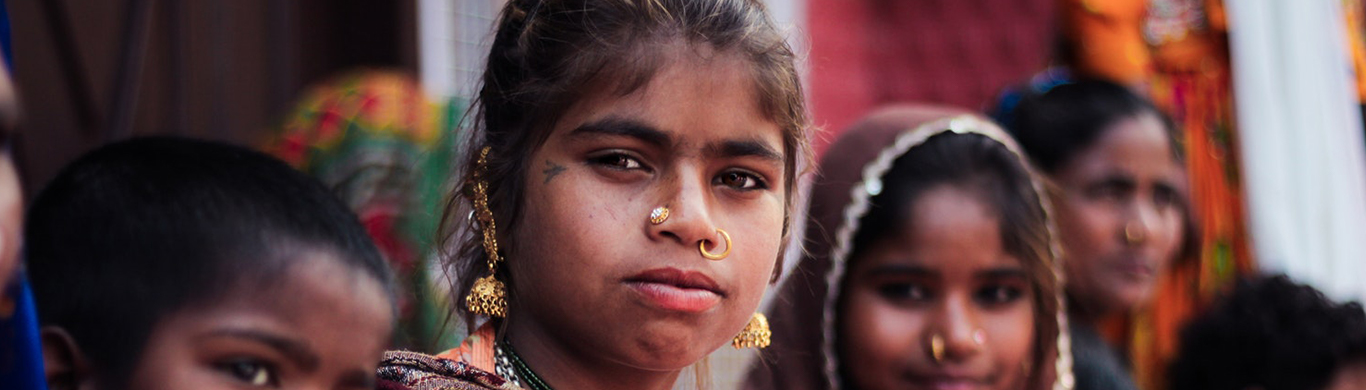
S&T for Women
S&T for Women
The scheme is focused on women as specific target group.
OBJECTIVES
- To promote research, development and adaptation of technology to improve the quality of life, workings conditions for women.
- To provide newer opportunities for gainful employment of women especially in rural areas.
- To increase the contribution of women scientists to technology based development.
PRIORITY AREAS
- Specific science and technology application program to solve the problems of women in different regions such as hill, coastal and arid Research and development on post-harvest technology and agricultural implements used by women to improve productivity and reduce drudgery.
- Improved practices for occupational health and enhanced production in technology areas where women form a majority of the stake holders sericulture, aquaculture, etc.
- Research, development and demonstration program to minimize occupational hazards of women in domestic, agricultural and organized and non-organized industries.
- Design, fabrication and improvement of equipment, accessories, tools and machineries used by women in different occupations in formal and non-formal sectors.
- Up-gradation of traditional skills for utilization of available local resources and providing means for women to enter into the organized sector or for starting entrepreneurial production or service units.
- Enhancing capability of women in modern industries particularly in electrical and electronic technologies.
- Women's Health issues: - Nutrition, non communicable diseases, prevention strategies for communicable diseases.
- Selective studies on issues concerning women scientists and engineers
The following points are specifically assessed in proposals for women:. - Strategies for linking gender issues and appropriate technology adoption.
- Replicability potential of the project.
- Stakeholders participation in formulating the proposal.
The following priority areas have been identified under the scheme:
Other Gender Related Schemes/Award of SEED Programme:
- Fellowship Scheme for Women Scientists for R&D and S&T Based Societal Interventions: This fellowship provides an opportunity for women scientists to re-enter into active research after a career break. The fellowship is available for carrying out innovative R&D having societal impact.
National Award for Women’s Development through Application of Science and Technology: This award has been instituted to recognize the contributions of individuals/institutions who have worked at the grass root level for women’s development through application of science and technology. Applications are invited once a year.
BIOTECHNOLOGY BASED PROGRAMME FOR WOMEN
In women sector large number of women including SHGs benefitted directly through biotech packages for floriculture, horticulture, cultivation of mushrooms, medicinal and aromatic plants, bio-fertilisers, organic farming, vermicomposting, sericulture, aquaculture, animal husbandry, poultry farming and making of bio-crafts. Several training modules were prepared for creating awareness on health, nutritional food preparations and agricultural practices.
- Agri-biotechnologies: At Allahabad the women beneficiaries were trained on organic farming covering nutrient management through vermicompost, NADEP & other organic manures, use of bio-fertilisers, pest & disease management through bio-pesticides etc.
- Aquaculture: Development of mangrove based agro aqua farming for restoration of Mangrove ecosystem and also for providing livelihood was supported at Andaman Islands. 5 crab fattening pens were installed at 3 project sites and two farm model fish feed units were installed at two sites. 4 value added fish product development units were also established.
- Animal Feed: At Kanyakumari, women were provided with the Azolla kit consisting of Azolla seeds, Silpaulin sheet minerals etc and were extensively trained on production of Azolla-based feed for poultry & livestock. This technology of Azolla feed production for poultry and cattle was transferred to a dozen local/state agencies.
- Hybrid Seed Production: Women farmers were trained in TNAU, on hybrid maize seed production covering parental line sowing methods, detasseling, crossing, harvesting F1 seeds, processing and marketing.
- Prasad Kit: A unique programme was developed around major shrines by utilising local bio-resources for preparation of items of offerings at these places. A total of 15 projects were supported under this programme benefitting around 7000 women.
- Health: At Hyderabad, a survey was undertaken to understand the socioeconomic impact of early hysterectomy and women were also clinically examined for the adverse effects.
- Rural Bio-resource Complex: Seven projects were supported through State agricultural Universities to establish various technology packages in an integrated manner forming a bio-resource complex for women. Such bio-resource complex have been established at Udaipur, Bikaner, Dharwad, Jorhat, Wayanada (Kerala), Ludhiana and Coimbatore.